

06-24-2020, 10:28 PM
It's a B&K DVM.

|
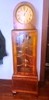
Maas-Rowe Carillon Amplifier
06-25-2020, 12:08 AM
I didn't know B & K was still making test equipment like that.
I know I have a B & K Tube Tester from the 1960s but I didn't realize they were still making test equipment yet. 
06-25-2020, 07:47 PM
It's a few years old. Was my primary meter for servicing electronic church organs. Replaced it with a Fluke.

06-26-2020, 07:42 AM
-- Ron Ramirez Ferdinand IN
06-26-2020, 10:49 AM
Interesting, it seems that they still make their 2005B Signal Generator yet...


02-15-2022, 11:05 PM
I know that this an old thread but:
First, odd, that amp is very conservatively rated. that thing probably kicks more like 65 watts with those plate voltages. That thing is in Fender territory. Fenders and Ampegs that use 6L6s use 6L6GCs which have a much higher plate voltage tolerance than the original 6L6 metals and 6L6Gs Like Radio Roslyn said, pay very close attention to the selenium rectifier that supplies the fixed bias for the output tubes. if it opens, it will toast the output transformer and likely the tubes in short order. Replace it with a good silicon rectifier and whatever resistance needed to bring the bias voltage to what is required. Placing 10 Ohm 1/4Watt resistors between each 6L6 cathode and ground will act as a fuse. The 2 big advantages of the 5Z4s over 5U4s come from the fact that the tube is indirectly heated. There is lower voltage drop 20V Vs 44V on the 5U4, likely better regulation under load. But the big advantaged is safety. This tube is less likely to short than a 5U4. Someone, I think it was Phil Nelson (Phil's Old Radios) recommended putting silicon rectifiers in series between the HV Winding and the tube plate to protect the transformer in case of a filament to cathode short. "Do Justly, love Mercy and walk humbly with your God"- Micah 6:8 "Let us begin to do good"- St. Francis Best Regards, MrFixr55
« Next Oldest | Next Newest »
Users browsing this thread: 2 Guest(s) |

|

|


