


02-14-2026, 03:57 AM
Mike;
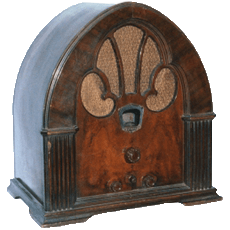
It looks like they have a gauge that's closer .56 mm, they also have some that is .71 mm., and have some up to 2 mm (roughly 14 Gauge in our system), I see what you mean about the outer diameters. I'm guessing that the reason for the discrepancy is that their wire is based on British wire gauges of old converted to Metric. I'm lucky in that I inherited some spools of cloth covered coil winding wire from my late uncle, he used to collect and restore 1920s battery radios so he collected such wire whenever he ran across it. He had a model 10 when he was still in Ontario, but I don't think he ever fixed it up, and had others in years before.
As for that black pellet looking thing, it's too black to be a vintage rat dropping, they usually dry up, turn grey, and disintegrate, plus I think there would be more then one found in that set. It's more then likely a ball of tar if there are no holes for anything to fall into, like under a tube socket, or something.
Regards
Arran


