


02-14-2026, 09:56 AM
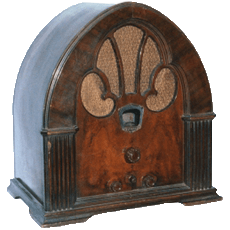
+1 on the other comments. This is AK's attempt at a Philco 80, with the exact tube compliment except for the fact that theirs are 2.5V tubes and that the Convertor and the regenerative detector are pentodes. Note that other than Heater voltages, the 2A5, 42 and 6F6 are very similar. and similar to the 47 other than the 47 being a direct filament cathode as opposed to an indirect heated tube cathode of the 2A5, 42 and 6F6. 6.3V tubes were originally designed for car radios and for DC operation on heaters, but Philco found out early that running on AC and grounding one leg of the heater supply instead of a center tap worked just fine. A-K was using 2.5V tubes for a while. Both the 80 and this set were introduced in the throes or the Depression. 1932 was probably the worst period of the depression, at least for the industrial area. I believe that the other major issue, the Dust Bowl occurred somewhat later.
This set has a very simple volume control, shunting the antenna input only and not changing the bias on the 1st detector., same as the 80. If stations in your area are too strong, you may have to resort to shielding, but prior to doing so, verify resistors and caps, especially R3, the 2 Megohm Grid Leak. Cap A5 adjusts regeneration. CW increases, CCW decreases regeneration and therefore volume. Worst case scenario, add a volume control between the detector and output tube grid, but veriying the grid leak resistor and adjusting the regeneration should do it.
Philco created a major ruckus with the Model 80, which originally was priced at $19.99 and dropped to $14.99. Other manufacturers cried "FOUL" and accused Philco of unfair pricing. The entry level RCA R-28 "Suprette" a strange 5 tube set with RF amp, 2A7 pentagrid converter, no IF amp, a biased "power" detector and 2A5 output tube was introduced at $28.50 and had to be dropped to $19.99, a price that RCA likely lost money on. The Philco Model 80 was supposed to be a loss leader to get people into the store where the sales rep was supposed to "upsell" to a more expensive and technically superior radio. Instead, they sold hundreds of thousands of these. The 80 remained popular and there were several other iterations, including the 84 which replaced the 2 tetrodes with 77s (pentodes), the 6.3V equivalents of the 57s that AK was using, and eventually to octal tubes in the 1937 iteration, the 37-84.
"Do Justly, love Mercy and walk humbly with your God"- Micah 6:8
"Let us begin to do good"- St. Francis
Best Regards,
MrFixr55


